Read here what's moving us right now.WIKI-MEDIACC-Bereich an.
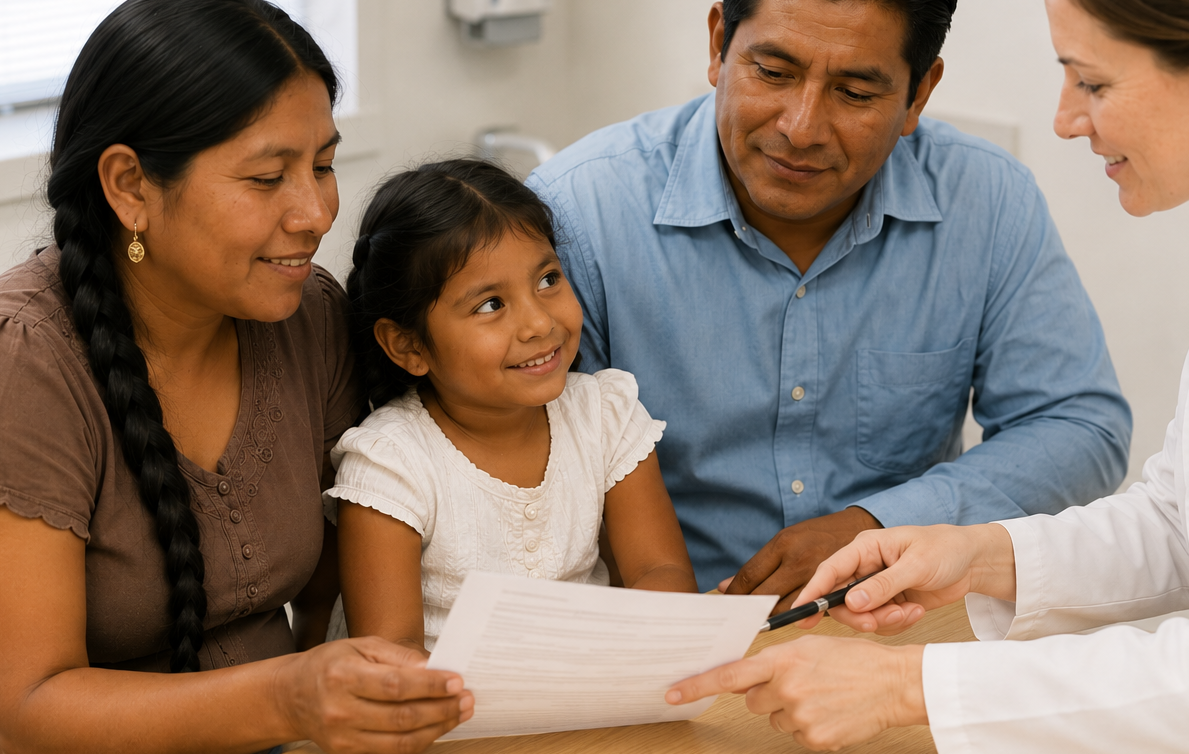
The European Medicines Agency (EMA) recently launched the HMA-EMA catalogues for Real-World Data (RWD), which serve as comprehensive repositories for metadata from RWD sources and studies. These catalogs replace and expand the previous EU PAS Register® and EncePP Resource Database databases. They cover four main areas: data sources (238), studies (2976), institutions (770) and networks (178).
The aim of these catalogs is to help regulators, pharmaceutical companies, and researchers identify and use data to study the use, safety, and effectiveness of drugs. The catalogues are used to find suitable data sources, to evaluate the suitability of data sources, to improve interoperability between studies and data sources and to increase transparency. The EMA is currently (until 17.1.2025) carrying out a survey on the usability of the catalogues in order to further improve the system. For data owners, there are special instructions on how to access their previously published data sets in the new catalogs.
This initiative can lead to improved transparency and efficiency in medical research. Your success depends on the extent to which users can benefit from this.
Source and detailed information https://catalogues. ema. europa. eu/ (delete space for link)

“I have been working as a doctor at MEDIACC for a year, a competent partner for monitoring and carrying out clinical studies.
As part of my doctoral thesis, which I am writing at Charité in parallel, I was offered a stay abroad in Bangkok a few months ago. This opportunity appealed to me very much, but at the same time presented me with the challenge of having to work remotely at MEDIACC in the future.
Fortunately, I received support from MEDIACC in this project immediately after the decision was made. The departure to Bangkok was imminent and I had to be equipped with the necessary technology and know-how for remote work within a very short period of time. I was supported and promoted by the entire team.
Thanks to the well-thought-out programs and work processes at MEDIACC, I am now able to work seamlessly as a team and at the same time to operate independently from Bangkok. This flexibility is invaluable to me, as it allows me to continue to fulfill my professional obligations while moving closer to the goal of completing my dissertation. My work includes conducting patient interviews and handling sensitive data. As a doctor, I see it as my central task to ensure the well-being of my patients. Due to the strict data security measures, I can also do this from Bangkok.
I've been here in Thailand for several weeks now. Everything is new and strange, which can sometimes be challenging. I am all the more grateful that I can also work remotely with the people I know from working in Berlin at MEDIACC. The support from my team has helped me get used to it quickly and focus on my work.
Overall, I am very grateful for the support and effort that Dr. Schmidt-Lucke in particular has invested as my supervisor so that I can complete this stay abroad. The opportunity to work internationally while pursuing my academic goals is a valuable experience that advances my professional development.
I am looking forward to continuing to be part of the MEDIACC team and working together on innovative solutions in clinical research — no matter where I am. ”
— Ewa Brunner, study doctor at MEDIACC

Between standard and practice: Comparison of DIN EN ISO 14155 with national legislation
MEDIACC GmbH has submitted a request regarding the interpretation of certain aspects of DIN EN ISO 14155. This standard deals with clinical trials of medical devices on humans. After careful review and consultation with DIN experts, we are able to announce the following points:
Terms and roles
The standard uses a number of terms that differ from the usual terms used in Germany in legal texts. This applies in particular to the roles and responsibilities of “clinical trial director”, “coordinating investigator”, “principal investigator” and “investigator” within clinical trials.
Practical implementation
In the practical conduct of clinical trials in Germany, these differences have not yet resulted in any significant problems. The competent ethics committees shall take into account the specific national requirements when evaluating them.
International cooperation
International studies often use different terms for senior examiners. In Germany, the role of “Head of Clinical Investigation” (LKP) remains the same, even though other titles are used internationally.
Continuous development
Standardization is a dynamic process. MEDIACC GmbH is closely following developments in this area and is in close contact with relevant experts and DIN and complies with the request to participate in the development of the new version of DIN EN ISO 14155.
For detailed information on the interpretation of specific standard texts, we recommend that you contact the relevant DIN committee directly. We would also be happy to talk to you about this.

We are thrilled to have been there as a sponsor of the 4th d|a|ch symposium for clinical trials and investigations on September 16 and 17, 2024! The event was an excellent place to hold numerous stimulating discussions in an inspiring and friendly atmosphere. It was a pleasure to meet so many dedicated clinical research professionals and gain valuable insights into current trends and developments. A big thank you to the organizers and all participants for the opportunity to be part of this important event. We are proud to have financially supported this important event and look forward to future collaborations and sharing ideas!
The EU Joint Clinical Assessment (JCA) is here — a mandatory, harmonised review for high-risk medical products (class IIb/III) and IVDs (class D) in accordance with HTA Regulation (EU) 2021/2282.
But what does a compliant dossier look like?
Here's your quick guide to proper structuring:
📋 Important dossier requirements
✅ Medical devices (MDR):
Basic UDI-DI, risk class, EMDN code
Intended use and technical description
AI/ML details (if applicable)
Regulatory status (FDA, UKCA, etc.)
✅ IVDs (IVDR):
target analytes (e.g. CRP, HIV RNA, glucose)
Test method (PCR, ELISA, lateral flow, etc.)
Sample type and user group (laymen and professionals)
Performance Assessment Report (PER)
🔍 Clinical evidence and PICO framework
population, intervention, comparator, results (PICO)
Systematic literature review (PubMed, Cochrane, EUDAMED)
Clear safety and effectiveness data
📝 Version management and updates
V0.1 → First Submission
V0.2 → Feedback after the order (30-day period!)
V1.0 → Final public release (redacted)
⚠️ Pro tip: Use change tracking, meet deadlines, and coordinate with EUDAMED to avoid delays.
#MedTech #IVD #JCA #RegulatoryAffairs #ClinicalEvaluation

The digital landscape of Europe reveals a remarkable paradox that hits our industry particularly hard. On the one hand, mobile working should be a reality and Deutsche Bahn prides itself on Internet availability, on the other hand, the German government is so lagging behind in European and international comparison that we must seriously worry about the future in Germany. While it is a matter of course for people in remote regions (including in the desert) to have high-performance Internet access, in this country this is like waiting for the long-awaited rain.
In no other leading research location is the oversleep of digitization so clearly evident. In particular, the discrepancy between political announcements and the actual implementation of necessary measures is unbearable. We have a particular responsibility to offer the next generation of researchers at least the opportunities that are self-evident in other countries. A look beyond borders reveals the full extent of the backlog.
Despite the first glimpse of progress, we remain the digital desert in many areas:
- Lack of digitization and lack of teaching about digital methods in the school and education sector
- Large-scale incomplete broadband expansion that makes efficient data transmission difficult
- Unreliable Internet on trains that hinders mobile work
- Outdated administrative processes that delay compliance with international standards
- Inadequate support for digital research processes
Authorities and governments in Europe and Germany must consistently implement the digital infrastructure. It is important to do everything possible so that the digital transformation, which has long since become a reality at other research locations, can also be implemented here consistently and in a future-oriented manner. It is high time to transform the digital desert into a prosperous digital research landscape so as not to fall even further behind in global competition.
To this end, we at MEDIACC will continue to work for you in the area of health research and ensure a continuous dialogue between research, politics and industry through participation in standardization committees and in discussions with national and global decision makers. Only through this exchange can we initiate the necessary changes and strengthen Germany as a location for innovative clinical research.
Federal Minister of Health Prof. Karl Lauterbach announced the new Medical Research Act That is to be decided in the Bundestag this week. The aim is to make Germany competitive in the area clinical trials .
“Germany is losing touch with clinical trials,” warned the minister, who was connected via video. The gap between innovative basic research and drug development has become too wide, meaning that countries such as Spain or Belgium are overtaking Germany in carrying out clinical trials.
The new law provides that, under the auspices of the Federal Institute for Drugs and Medical Devices (BfArM), clinical studies can be carried out “quickly, thoroughly and also more cheaply than before.” Lauterbach describes the law as a “milestone” for research in Germany and Europe that will set “new standards.”
Prof. Dr. Dr. h.c. mult. Jens Scholz, scientific director of the Advanced Medicine Forum, welcomes the law. He sees this as an opportunity for “Germany to be at the forefront again” in medical research. Scholz emphasized that the previous deficiencies had become apparent, particularly during the corona pandemic, as other countries were able to collect epidemiological data very quickly, which was not possible in Germany due to data protection reasons.
We hope that this reduction in bureaucracy will benefit our patients!

We are pleased to announce that MEDIACC has officially received the “advisory status within the meaning of the current funding guidelines for the promotion of business consultancies for SMEs” in the area of evidence generation for medical devices.
This enables us to support our customers as part of this important funding program. The program, which is co-financed by the Federal Ministry of Economics and Climate Protection and the European Social Fund Plus, aims to support small and medium-sized enterprises (SMEs) in overcoming entrepreneurial challenges.
For SMEs, our consulting covers all issues, in particular for the design of clinical trials of innovative products, including medical devices. This applies both to the generation of evidence as part of a conformity assessment process (CE certification), to extension of indications, to medical apps in the therapeutic or diagnostic sector, including DiGA and DiPA.
As a registered consultant with the Federal Office of Economics and Export Control (BAFA), we meet strict quality standards. We have an appropriate quality assurance tool and ensure that advice is carried out properly, in accordance with the guidelines.
The funding rate is either 50% and a maximum of 1,750 euros or 80% and a maximum of 2,800 euros of consulting costs. Companies can receive funding for two consultations per year.
Contact us to find out more about how we can help you submit your application and help you further develop your innovative product with this funding.
MEDIACC is at your side as a competent partner to overcome your business challenges together and strengthen your company for the future.

Dear study participants,
Three years ago, with your generous support, you helped to reforest a forest in a climate-resilient way together with young people who planted the small plants. The trees that we planted back then have thrived and are now a living testimony to your commitment to a sustainable future. Your donations have enabled us to leave a legacy that is stronger than time. At MEDIACC, we are deeply grateful for your support and contribution to a livable planet. This forest is proof that every single action counts and that we can make a big difference together. Let us use this moment as an inspiration to continue to stand up for each other and for our planet.
Thanks again for your support. Your contribution will have an impact and bear fruit for a long time to come.
Kind regards
Your MEDIACC team
A breath of fresh air for the 2024 team relay
In 2024, MEDIACC once again took part in the SCC 5x5 team relay. Great support came in particular from our hard-working, sometimes still dewy students, who supported us not only with our research work, but also on the racecourse across the zoo and on the picnic blanket. Both teams made it through the finish line sweaty but in good spirits. Just like their team teams, MEDIACC also does their studies: at high speed — with great effort — with full team spirit — and finally with success!

Demonstrate the medical benefits of your product
With our many years of experience and expertise, we offer effective solutions to demonstrate the medical benefits of your product.
From the conception to the execution of preclinical and clinical investigations, we support you with customized services.
Find out how MEDIACC can help you achieve reimbursability for your products.